Who this is for
- You want better nights without turning your house into a sleep monastery.
- You're okay with a system that's calm, consistent, and not perfect.
- You're willing to try the pause method (difficult in the moment, incredibly effective).
The principles
- Daytime naps = adaptable. Night sleep = protected. Let them nap in the stroller, on the go. But for their night sleep, make it dark, cool, and pull out all the stops.
- Start shaping the night slowly. We started at 3.5-4 hours, stretching 30 minutes at a time, week by week. Started at 2 weeks old.
- No bed-sharing for the long night sleep. Nap with them all you like, but not during the longer night sleep. (This is the hardest one for most parents.)
- Baby sleeps in your room, but in their own bassinet, until 6 months.
- Start a daytime schedule at about 2 months. See our nap schedules by age.
The stack (in order of importance)
1. The Pause Method
This is from "Bringing Up Bebe" and it changed everything for us.
- Newborn: pause 2-3 minutes
- 3-6 months: pause 5 minutes
- 6+ months: pause 10 minutes
When baby makes noise at night, you pause before rushing in. Babies make noise between sleep cycles - it doesn't always mean they're awake or need you. Rushing in can actually wake them up.
The reality
This was difficult in the moment and unbelievably effective for us. Forest was basically sleep trained within the first 2 weeks of being born using this method.
2. White noise + calm crib environment
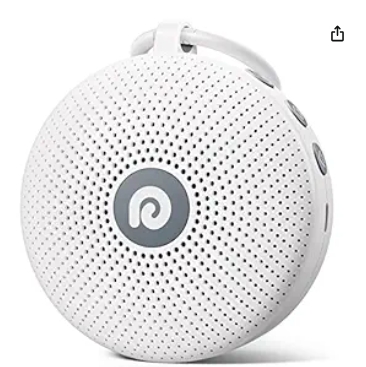
Hatch Rest Sound Machine
We love this one because it does different nature noises too. Travel-friendly size.
3. Blackout curtains (but watch for offgassing)
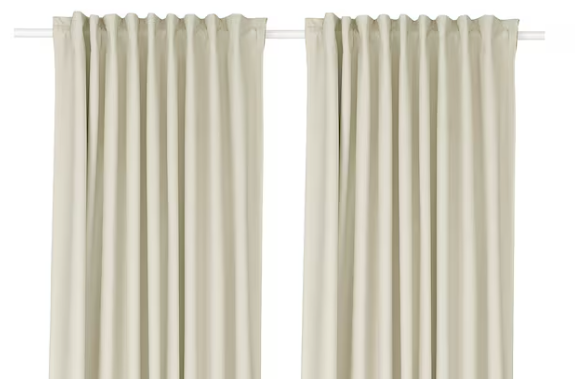
IKEA Blackout Curtains
We returned the Amazon set because it offgassed badly. IKEA worked better - but still let them air out a couple months before baby arrives.
4. Last feed = formula (if you're open to it)
Our postpartum doula shared that formula is more calorie dense, so feeding your baby formula as their last meal before their longest night sleep will help them stay asleep longer.
I breastfed for the first 6 months, but always did the last feed of the night in formula for this reason.
On formula stigma
The stigma around formula is... not useful. Breastfeeding is hard, and impossible to manage/forecast (some people can't produce milk, or not enough, or their production just stops). Being prepared with formula ahead of needing it is a good idea.
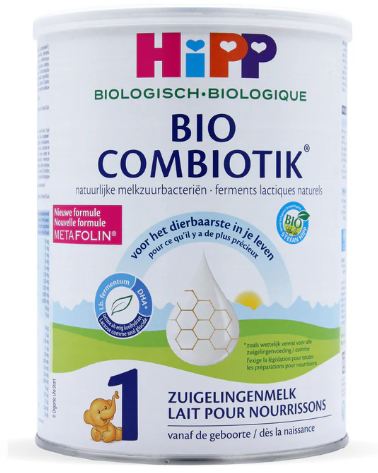
HiPP Organic Dutch Formula
Supposed to be the best on the market. They also have a goat milk version for lactose sensitivity.
5. Pacifier (night-only is fine)
Opinions are loud; evidence is quieter. Pacifiers can help babies self-soothe and have been associated with reduced SIDS risk.
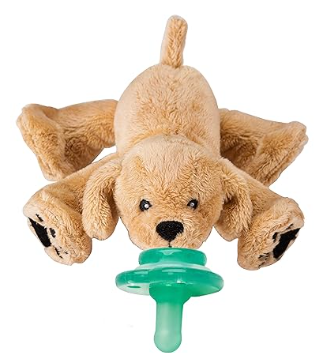
WubbaNub Pacifier
The giraffe one became Forest's lovey (we have copies that get rotated because they get gross). Initially annoying that it came apart easily, but that made going paci-free easier later.
6. Weighted sleep sack
Controversial
Weighted sleep sacks have been banned by the FDA. Worth noting: the FDA banned them without doing clinical studies to see if they were actually harmful. A friend (whose baby also slept great) recommended these to us, and we used them successfully with Forest. We will use them again with our next baby. This is a personal risk decision - talk to your pediatrician.
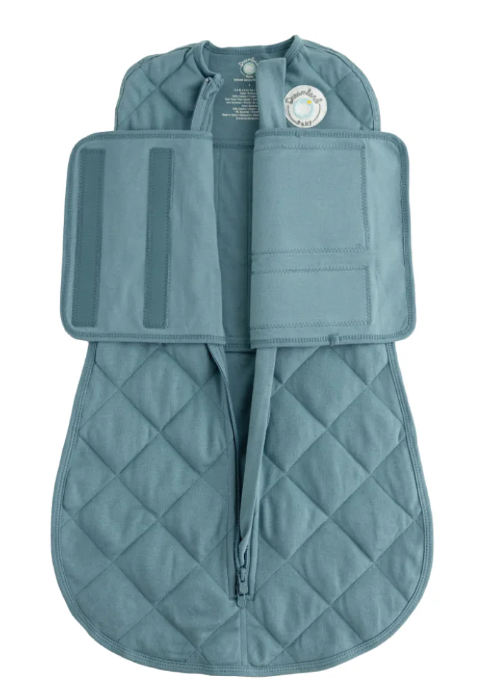
Nested Bean Weighted Sleep Sack
We used the weighted swaddle for newborns, then the sleep sacks for 6mo and older.
7. Swaddles
90% of babies LOVE being swaddled. For the 10% who don't (like our second child, who would freak out), there are alternatives.
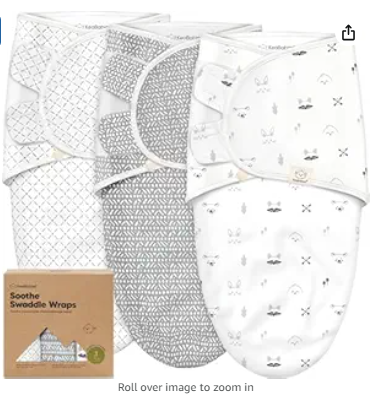
SwaddleMe Original Swaddle
Easy to use, most babies love them.

Love to Dream Swaddle UP
For babies who DON'T like being swaddled. Cove would get upset if swaddled - these worked great instead.
8. Merino wool blanket
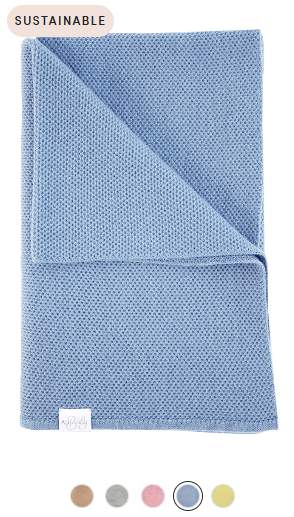
Woolino Baby Blanket
Best baby blanket on the market. All natural merino wool with so many benefits. The only baby blanket you need. HAND WASH OR DELICATE WASH. DO NOT TUMBLE DRY.
What we skipped
- Snoo: Contentious - some love it, others say it did nothing or it worked then stopped working. Doesn't travel. We wanted adaptable babies. Full decision memo here.
- Sleep consultants: The pause method and consistent schedule worked for us without needing one.
- Cry-it-out: The pause method is gentler and worked for our family. Not judging if CIO worked for yours.
Cheaper alternatives
- White noise: A fan works. Or a free app on an old phone.
- Blackout: Garbage bags and tape in a pinch. No shame.
- Swaddles: The velcro ones are easiest, but a muslin blanket works if you learn the technique.
Safety notes
Important
- Always follow AAP safe sleep guidelines
- Bare crib - no loose blankets, pillows, or toys until age-appropriate
- Baby on back to sleep
- Firm, flat sleep surface
- Consult your pediatrician before using weighted sleep products
Not gospel
Every baby is different. This is what worked for us. If something here doesn't work for your kid, that's not failure - that's data. Adjust and try something else.
Some babies just don't sleep well no matter what you do. That's not your fault. It's not a reflection of your parenting. Some babies are just like that.